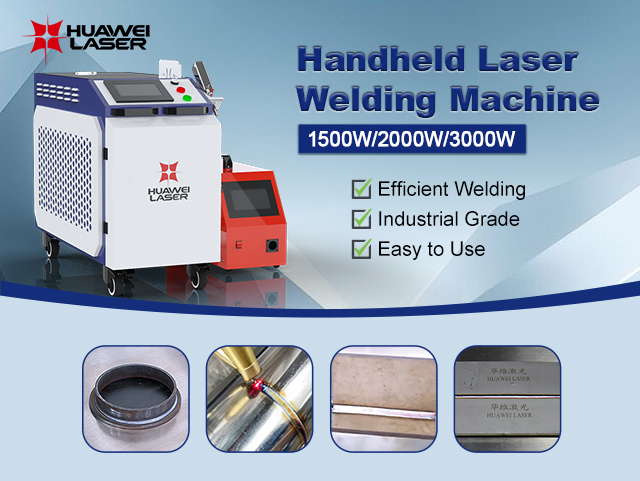

How to Weld Stainless Steel Sinks with the Handheld Laser Welder
Stainless steel sinks require smooth weld appearance, reliable sealing, low deformation, and limited post-weld finishing. Thin stainless steel sheets can develop burn-through, discoloration, distortion, or visible joint defects when welding parameters and joint preparation are poorly controlled.
A handheld laser welding machine provides concentrated heat input and a narrow heat-affected zone. Such characteristics make handheld laser welding suitable for sink bowls, drain assemblies, corners, flanges, and reinforcing components when the welding process is correctly developed.
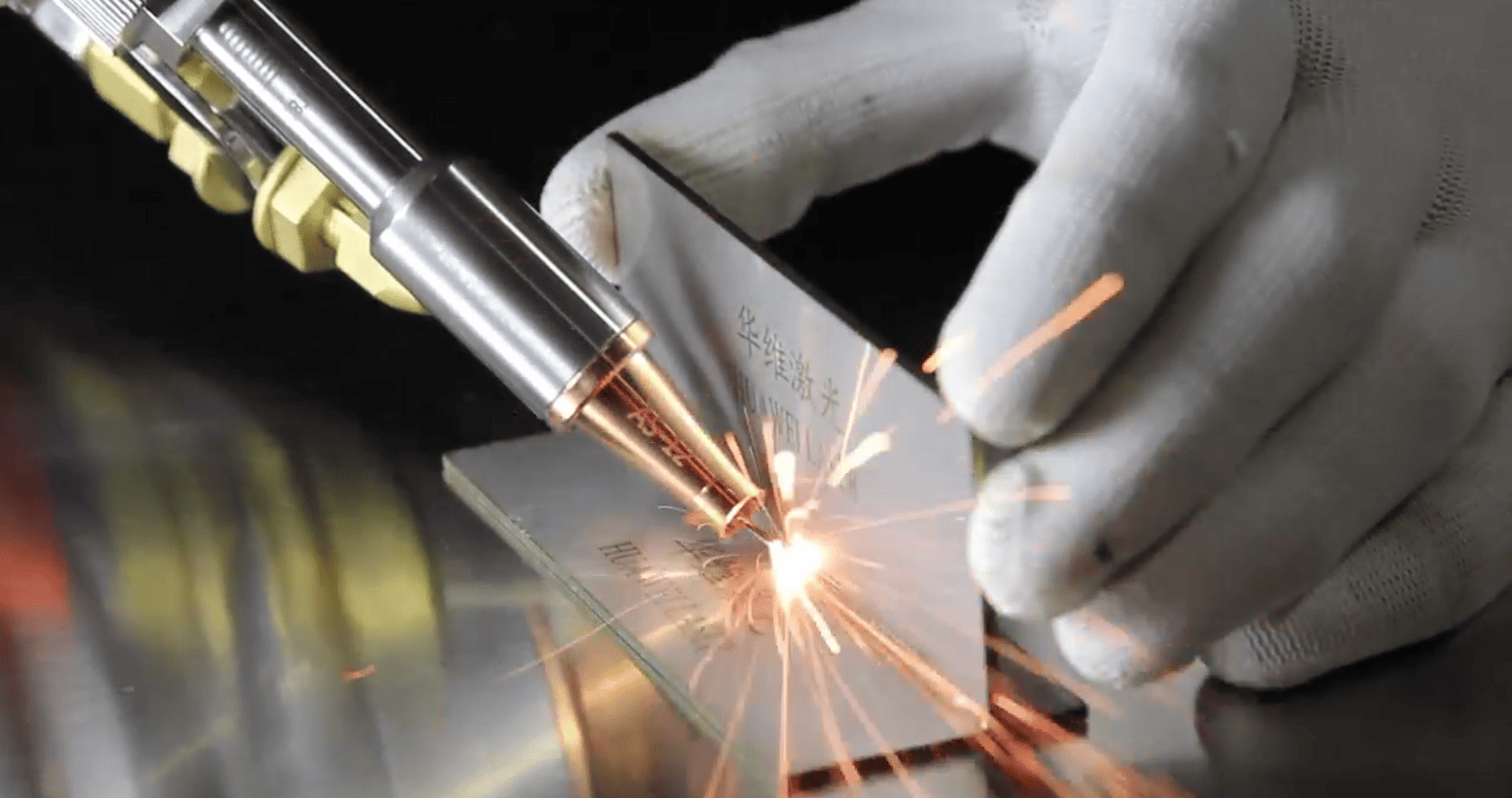
Why Use Handheld Laser Welding for Stainless Steel Sinks?
Conventional sink welding may require substantial grinding, polishing, and correction after welding. Excessive heat can also distort thin sink walls or affect the appearance of visible surfaces.
A handheld laser welding machine delivers energy into a relatively small area. Controlled heat input can reduce deformation and help produce narrow, consistent weld seams. Beam oscillation can also create a wider weld seam and improve tolerance for minor fit-up variations.
A handheld laser welder cannot compensate for poor joint design, large gaps, contaminated surfaces, or unstable torch movement. Successful stainless steel sink welding begins before the laser is activated.
Prepare the Stainless Steel and Joint
Stainless steel sinks are commonly manufactured from grades such as 304 stainless steel, while some applications may use other grades according to corrosion-resistance and customer requirements. The material grade, sheet thickness, surface finish, and joint geometry should be confirmed before developing a welding procedure.
Oil, fingerprints, polishing compounds, dust, adhesive residue, moisture, and oxide contamination should be removed from both sides of the welding area. Contaminants entering the weld pool can reduce weld consistency and create pores, discoloration, or surface defects.
Use clean, dedicated stainless steel tools during preparation. Protective film close to the joint should also be removed because melted film can release fumes and contaminate the weld. Joint edges should be smooth and accurately positioned. Tight, consistent fit-up is especially important when fusion welding without filler wire.
Use Accurate Fixtures and Tack Welds
A stainless steel sink bowl contains long seams and large thin surfaces. Even moderate heat accumulation can cause movement around corners, flanges, or drain openings.
Fixtures should hold the sink bowl and adjoining components in the final position without damaging visible surfaces. Small, evenly spaced tack welds can stabilize the assembly before continuous welding. Oversized tack welds may cause local heat buildup or create an uneven final seam.
A trial assembly should confirm that the drain component, bowl, side walls, and mounting flange remain properly aligned. Joint gaps should be corrected mechanically rather than covered with excessive laser power.
Set the Welding Parameters on Sample Material
No single parameter combination is suitable for every stainless steel sink. Required settings depend on laser power, sheet thickness, joint design, focal position, beam oscillation, travel speed, shielding gas, and whether filler wire is used.
Begin with the equipment manufacturer's recommended settings for the actual stainless steel grade and thickness. Run sample welds using offcuts from the same production material. Evaluate penetration, rear-side appearance, weld width, distortion, porosity, undercut, and leak resistance.
Excessive power or slow travel can cause burn-through, surface depressions, discoloration, and deformation. Insufficient energy or excessively fast travel can produce incomplete fusion. The welding head should move at a stable speed and remain correctly aligned with the joint.
Select the Beam Pattern and Shielding Gas
A narrow beam pattern can be suitable for accurately fitted seams. A controlled wobble pattern can create a wider weld bead and improve coverage of small joint variations. Excessive wobble width can reduce energy density and lead to insufficient penetration, so beam width should be validated through testing.
Shielding gas protects the molten weld area from atmospheric contamination. Argon is commonly used for stainless steel laser welding, but the correct gas type, purity, nozzle configuration, and flow range should follow the welding machine supplier's process recommendations.
Excessively low gas flow may provide inadequate protection. Excessively high flow can disturb the weld pool or draw surrounding air into the shielding zone. The gas nozzle should remain clean and positioned to cover the weld pool and recently solidified seam.
Decide Whether Filler Wire Is Necessary
Closely fitted stainless steel sink joints may be welded without filler wire when the required penetration and appearance can be achieved consistently. Fusion welding can simplify the process and reduce the amount of material added to the seam.
Filler wire may be helpful when a joint contains a controlled gap, additional bead reinforcement is required, or the joint design cannot maintain reliable edge contact. The filler wire composition should be compatible with the stainless steel base material and the final service environment.
Wire feeding must remain synchronized with torch movement and laser energy. Unstable wire position can create an irregular bead, incomplete melting, or visible spatter.
Follow a Distortion-Controlled Welding Sequence
A balanced welding sequence helps distribute heat and reduce movement across the sink bowl. Welding one long seam from beginning to end may concentrate heat in a single area, particularly on thin stainless steel.
Begin with stable tack points and divide long joints into manageable sections when the product design allows segmented welding. Alternate between opposing sides or separate areas to prevent heat from accumulating in one direction.
For corners, maintain continuous movement and avoid unnecessary dwell time. For a drain assembly, keep the circular joint aligned and maintain a steady travel speed around the circumference. The sink should remain in the fixture until the welded structure has cooled sufficiently.
Prevent Common Stainless Steel Sink Welding Defects
Burn-through usually indicates excessive local energy, slow movement, poor focus control, or an oversized joint gap. Reduce heat concentration and correct the fit-up before continuing production.
Incomplete fusion can result from insufficient power, excessive travel speed, incorrect torch position, or poor joint access. Porosity may be connected to contamination, moisture, unstable shielding gas, or dirty filler wire.
Strong blue, brown, or black discoloration can indicate excessive oxidation or heat exposure. Review shielding coverage, welding speed, surface cleanliness, and laser energy. Food-contact products may also require a validated post-weld cleaning and passivation procedure according to the applicable specification.
Inspect and Finish the Welded Sink
A completed weld should be checked for uniform width, complete fusion, undercut, cracks, pinholes, excessive penetration, and distortion. Visible surfaces should meet the required cosmetic standard without unnecessary grinding.
Every water-retaining sink design should undergo a suitable leak test. Testing methods may include controlled water testing, air-pressure testing with an approved detection method, or another production procedure defined by the manufacturer's quality plan.
Critical products may require dye-penetrant inspection or destructive sampling during process qualification. When finishing is required, use dedicated stainless steel abrasives and follow the grain direction of the surrounding surface.
Operate the Laser Welding System Safely
The handheld laser welding machine is a high-power industrial laser system. Welding should take place inside a controlled laser-safe area with appropriate barriers, interlocks, warning signs, personal protective equipment, ventilation, and trained operators.Laser reflections, welding fumes, electrical equipment, hot metal, and shielding gas all require formal risk controls. Operators should follow the equipment manual and the facility's approved welding procedure. Parameter testing must use controlled samples rather than finished production components
Conclusion
The handheld laser welding machine can produce clean, accurate, and leak-resistant stainless steel sink welds when joint preparation, fit-up, shielding gas, laser parameters, welding sequence, and inspection are properly controlled.
Manufacturers should qualify the process using the actual stainless steel grade, thickness, surface finish, and sink design. Consistent fixtures and documented welding recipes can help reduce deformation, rework, polishing time, and quality variation.
Improve Stainless Steel Sink Production
For stainless steel sink manufacturers evaluating the handheld laser welding machine, Huawei Laser can provide equipment selection guidance, sample-welding evaluation, process recommendations, operator training, and technical support. Contact Huawei Laser to discuss sink dimensions, material thickness, joint structure, and production requirements.