

Abstract: In today’s competitive manufacturing environment, precision, speed, flexibility, and cost-effectiveness are critical. This article explains how open type fiber laser cutting machines address key production pain points. We cover core features, operational advantages, application scenarios, decision-making guidance, and practical tips to help manufacturers select the right solution. The goal is to provide a comprehensive, user-focused analysis that helps you understand how an open type fiber laser cutting machine can transform your operations.
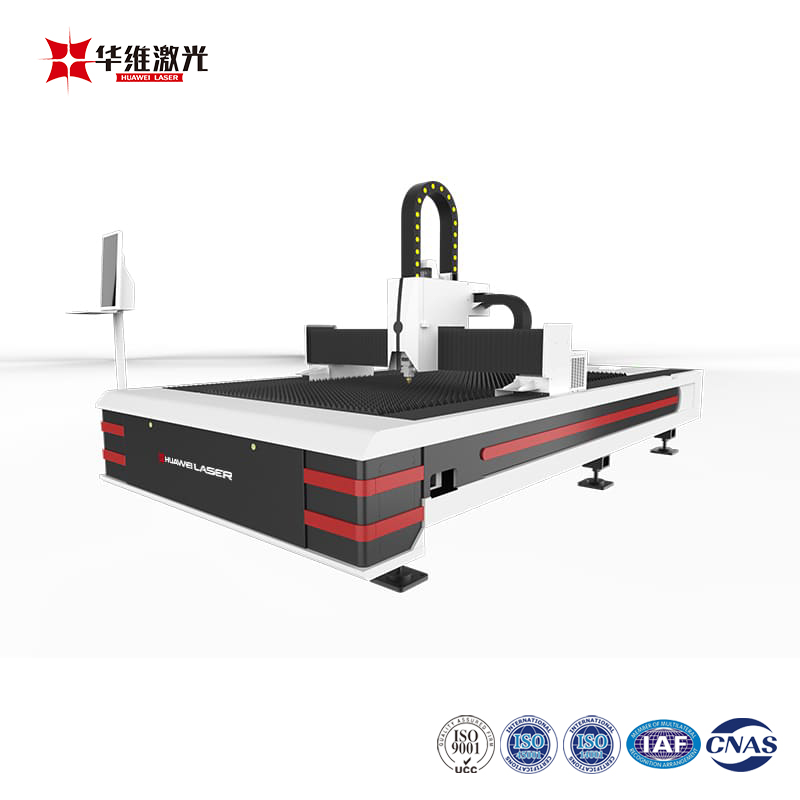
Table of Contents
- Introduction: What Is an Open Type Fiber Laser Cutting Machine?
- Core Benefits That Address Customer Pain Points
- Technical Features and Operational Advantages
- Comparison With Other Cutting Technologies
- Application Scenarios and Use Cases
- Selection Guidelines: How to Choose the Right Machine
- Frequently Asked Questions
- Conclusion
Introduction: What Is an Open Type Fiber Laser Cutting Machine?
An open type fiber laser cutting machine is a precision industrial cutting system that uses a high-powered fiber laser source to cut various materials. Unlike enclosed gantry systems, the “open type” design allows easier loading and unloading of large workpieces, flexible integration with auxiliary equipment, and simplified maintenance access. These machines are widely used in metal fabrication, automotive parts production, aerospace, and general manufacturing industries that require high throughput and tight tolerances.
Core Benefits That Address Customer Pain Points
1. Precision and Quality
One of the most pressing customer concerns is achieving high-quality cuts with minimal secondary finishing. Open type fiber laser cutting machines deliver exceptional edge quality due to:
- High laser beam quality
- Minimal heat-affected zone (HAZ)
- Consistent kerf and smooth edges
These characteristics reduce rework, scrap rates, and post-processing costs.
2. High Throughput and Efficiency
Manufacturers often struggle with meeting production deadlines. The open type fiber laser cutting system offers:
- Faster cutting speeds compared to traditional mechanical systems
- Rapid acceleration and deceleration from the gantry motion system
- Reduced non-productive time due to quick setup
3. Flexibility Across Materials
Open type fiber laser cutting machines can handle a wide range of materials and thicknesses:
- Mild steel
- Stainless steel
- Aluminum alloys
- Brass and copper
This versatility is vital for facilities producing varied product lines without investing in multiple cutting systems.
4. Lower Operating Costs
Operational cost remains a major pain point. Fiber lasers are more energy efficient than traditional CO₂ lasers, and have fewer consumables. Advantages include:
- Lower electricity usage
- Minimal optics maintenance
- Longer laser source lifespan
These factors contribute to reduced total cost of ownership (TCO).
Technical Features and Operational Advantages
| Feature | Benefit | Customer Impact |
|---|---|---|
| Fiber Laser Source | High beam quality, stable output | Precise cuts, minimal defects |
| Open Type Platform | Easier loading/unloading | Improved workflow, reduced labor effort |
| Automated Motion System | High speed and acceleration | Increased throughput |
| Advanced CNC Control | Real-time adjustments | Higher accuracy and repeatability |
| Cooling and Filtration | Temperature control and fume extraction | Stable performance and safer working conditions |
Comparison With Other Cutting Technologies
Choosing the right cutting technology requires understanding how fiber lasers compare with alternatives:
- Compared to Mechanical Cutting: Fiber lasers minimize tool wear and eliminate mechanical stresses induced by blades or punches.
- Compared to Plasma Cutting: Fiber lasers offer finer precision and better edge quality, especially on thin to medium-thickness metals.
- Compared to CO₂ Lasers: Fiber lasers are more energy efficient, require less maintenance, and are more compact.
Application Scenarios and Use Cases
Open type fiber laser cutting machines fit a range of industry needs. Typical use cases include:
- Automotive Component Fabrication – Precision parts for chassis, brackets, and structural assemblies.
- Aerospace Panels – High-accuracy cutting for aircraft frames and skin panels.
- Metal Furniture – Decorative and structural cutouts with tight edge quality requirements.
- General Fabrication Shops – Flexible production of custom parts with quick turnaround.
Selection Guidelines: How to Choose the Right Machine
Manufacturers should evaluate the following criteria when selecting an open type fiber laser cutting machine:
- Material Types and Thickness Range – Align machine power and lens options with your material portfolio.
- Production Volume – Higher volume demands higher throughput and automation options.
- Space and Layout – Open type layout simplifies integration but requires floor planning.
- After-Sales Support – Reliable technical support and spare parts availability are essential.
Frequently Asked Questions
Q1: What materials can an open type fiber laser cutting machine handle?
A1: These machines can cut a variety of metals, including mild steel, stainless steel, aluminum, brass, and copper. The optimal thickness range depends on laser power and cutting parameters.
Q2: How does open type fiber laser cutting improve production efficiency?
A2: Open type fiber lasers reduce setup time, enable faster loading/unloading, and provide high cutting speeds, collectively boosting throughput and reducing cycle times.
Q3: What maintenance is required to keep the machine performing?
A3: Regular maintenance includes checking optics cleanliness, cooling system condition, motion components lubrication, and software calibration. Most tasks are straightforward and infrequent compared with other laser types.
Q4: Can I automate part handling with an open type fiber laser cutting machine?
A4: Yes, open type designs are well suited to automation with robotic part loaders, conveyors, or automated sorting systems, enabling continuous unmanned operation.
Conclusion
Open type fiber laser cutting machines provide a powerful solution for manufacturers facing quality, speed, flexibility, and cost challenges. By combining high-precision laser cutting with an accessible design, these systems enhance productivity and adaptability across a wide range of applications. When evaluating options, consider material requirements, production scale, and support infrastructure to ensure a fit that yields maximum return on investment.
If you are exploring reliable open type fiber laser cutting solutions, Huawei Laser offers advanced systems designed to meet demanding manufacturing needs. Discover how our technology can elevate your operations — contact us today to discuss your specific application requirements and get a tailored solution.