

Why Protective Gas Is Essential in Laser Welding
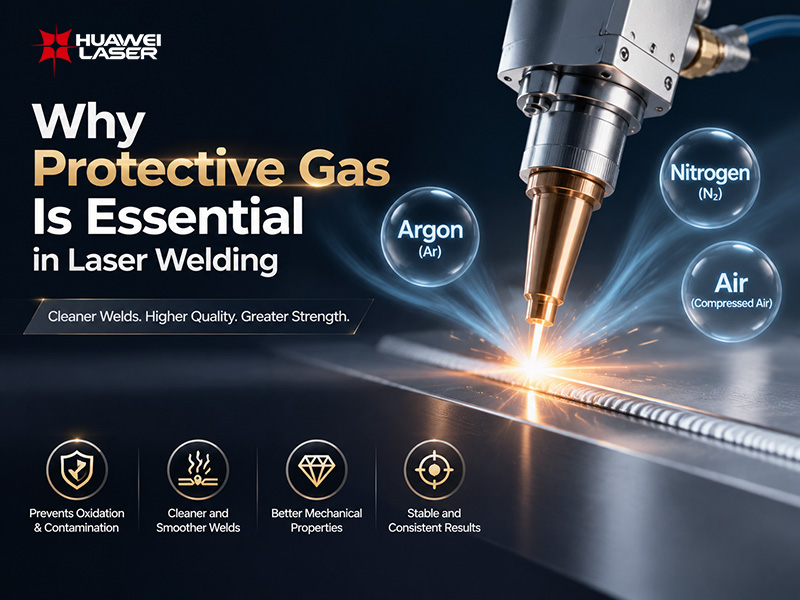
Laser welding has become a widely used metal joining technology because of high precision, fast processing speed, and excellent weld quality. During the laser welding process, protective gas plays a key role in maintaining welding stability and improving final results.
A suitable protective gas can prevent oxidation, reduce welding defects, protect optical components, and improve the appearance of weld seams. Different protective gases provide different advantages for various metal materials and application requirements. Choosing the correct protective gas is an important factor for achieving the best performance from a laser welding machine.
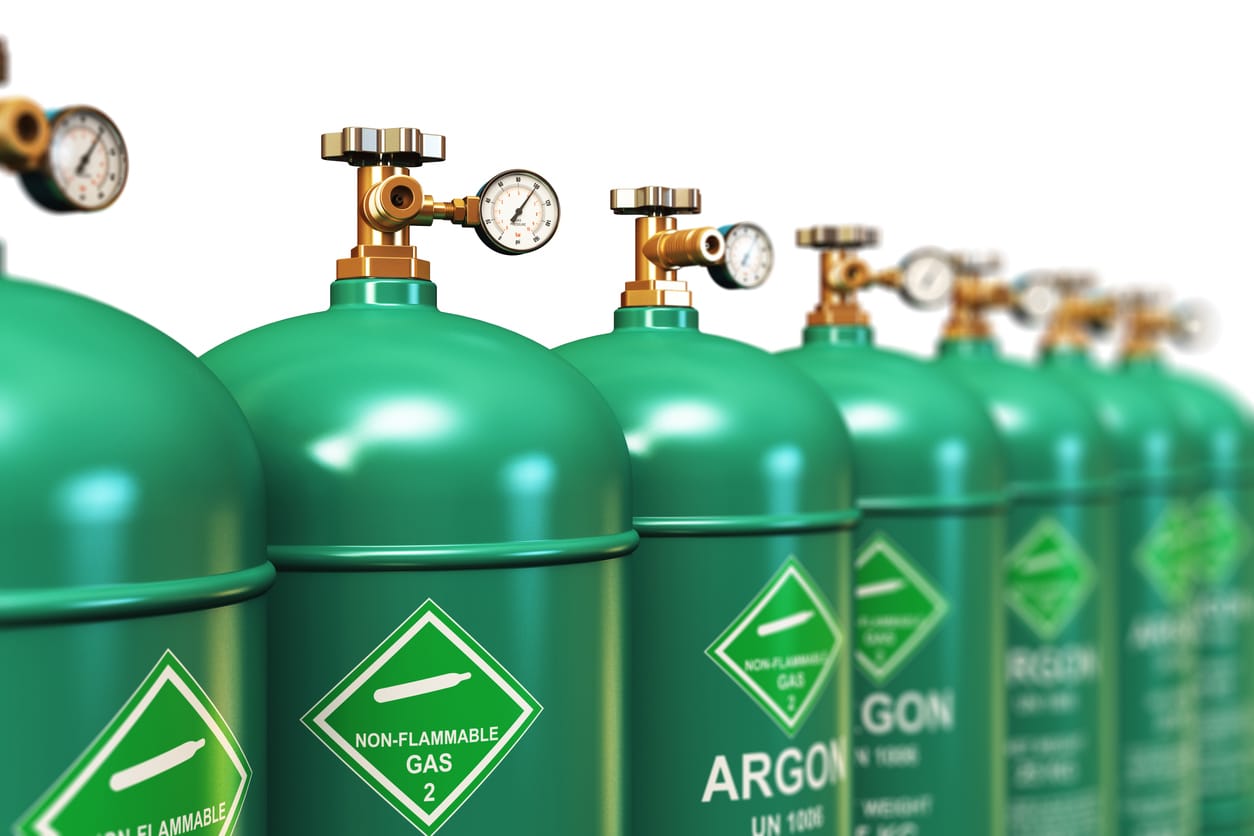
1. Argon Gas: Excellent Protection and High Welding Quality
Argon is one of the most commonly used protective gases in laser welding applications. As an inert gas, argon does not easily react with molten metal during welding, creating a stable shielding environment around the welding area.
When a laser welding machine uses argon gas protection, the molten pool can be effectively isolated from oxygen and moisture in the air. The argon protection system helps prevent oxidation, discoloration, and surface defects, resulting in cleaner and smoother weld seams.
Argon is especially suitable for welding stainless steel, aluminum, copper, and other metals that require high-quality surface appearance. A laser welding machine equipped with argon protection can provide stable welding performance for industries such as automotive parts, precision manufacturing, and metal fabrication.
Advantages of Argon Gas:
Excellent oxidation resistance
Stable welding environment
Smooth and clean weld appearance
Suitable for stainless steel and aluminum welding
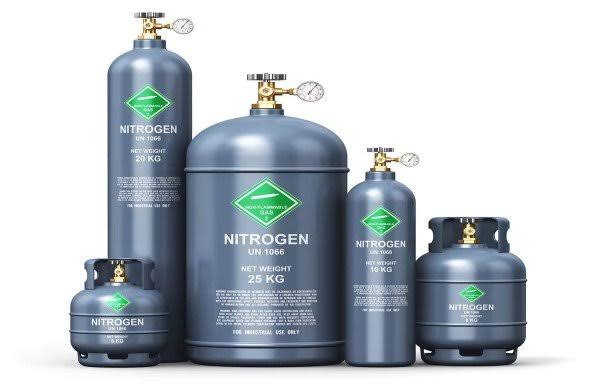
2. Nitrogen Gas: Cost-Effective Protection for Efficient Welding
Nitrogen is another commonly selected protective gas for laser welding processes. Compared with argon, nitrogen provides an economical solution while maintaining effective shielding performance for specific materials.
During laser welding operation, nitrogen forms a protective layer around the welding area to reduce the influence of oxygen and external contamination. The laser welding machine can achieve efficient and stable welding results when nitrogen parameters are properly adjusted.
Nitrogen is widely used for stainless steel welding and applications where production efficiency and cost control are important. The laser welding machine with nitrogen protection helps manufacturers achieve reliable welding performance while reducing operating costs.
Advantages of Nitrogen Gas:
Lower operating cost
Effective oxidation protection
Suitable for stainless steel applications
Improves production efficiency
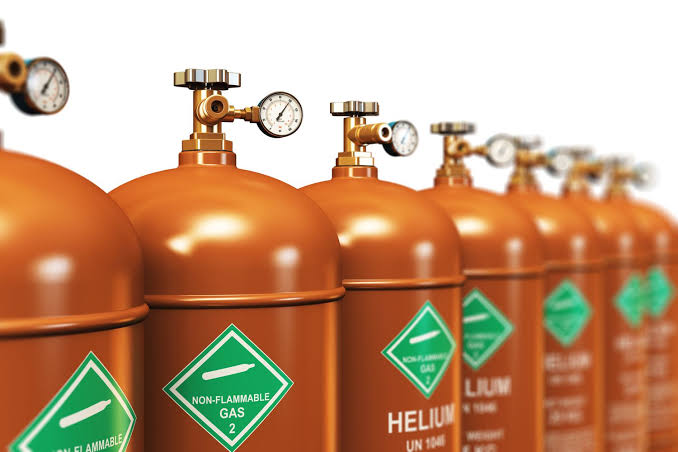
3. Helium Gas: Enhanced Heat Transfer and Welding Speed
Helium has excellent thermal conductivity and can improve the energy transfer efficiency during laser welding. Although helium is more expensive than argon and nitrogen, helium provides advantages in applications requiring higher welding speed and deeper penetration.
When helium is applied in a laser welding machine, the protective gas can help stabilize the welding arc area and improve laser energy utilization. Helium protection is suitable for demanding welding applications that require high processing performance.
Helium is commonly used in aerospace, high-end manufacturing, and specialized metal processing industries where welding quality and efficiency are critical.
Advantages of Helium Gas:
High thermal conductivity
Improved welding penetration
Suitable for high-performance welding
Supports faster processing speed
4. Mixed Gas: Customized Solution for Specific Applications
Mixed protective gases combine the advantages of different gases to meet special welding requirements. By adjusting the ratio of gases such as argon and helium or argon and nitrogen, manufacturers can achieve optimized welding performance.
A laser welding machine using mixed gas protection can provide improved weld appearance, better penetration control, and enhanced process flexibility. Mixed gas solutions are often selected for customized production lines and complex metal welding applications.
Advantages of Mixed Gas:
Flexible welding performance adjustment
Optimized weld quality
Suitable for special materials
Meets customized production requirements
Choosing the Right Protective Gas for Different Materials
Different metal materials require different protective gas solutions:
Argon Gas: Suitable for stainless steel, aluminum, and other materials requiring excellent oxidation protection.
Nitrogen Gas: Commonly used for specific metal welding applications requiring cost-effective protection.
Mixed Gas Solutions: Used for customized welding requirements to improve welding performance.
Selecting the correct protective gas allows the laser welding machine to achieve higher efficiency and better welding quality for various industrial applications.
HUAWEI LASER Laser Welding Machine Solution
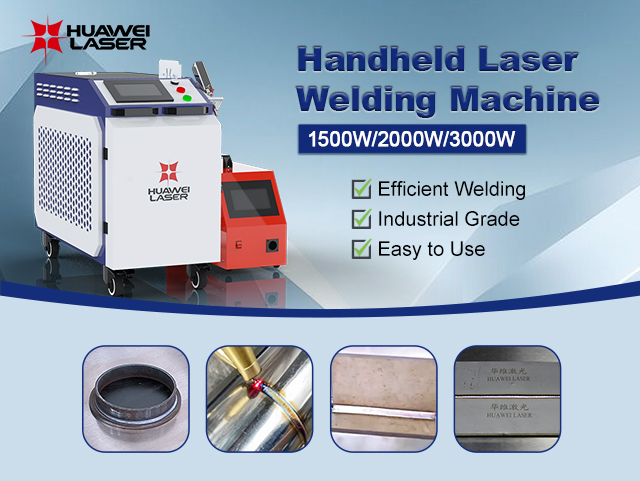
HUAWEI LASER provides advanced laser welding solutions designed for various industrial applications. The HUAWEI LASER laser welding machine integrates precise laser control technology and optimized protective gas systems to deliver stable welding quality.
The HUAWEI LASER laser welding machine supports multiple metal materials and provides excellent welding performance for industries including automotive manufacturing, hardware production, metal processing, and customized fabrication.
For customers seeking reliable welding equipment, the HUAWEI LASER laser welding machine offers high efficiency, easy operation, and professional welding results.
Conclusion
Protective gas selection directly affects the performance of the laser welding process. Argon provides excellent protection, nitrogen offers cost-effective shielding, helium improves heat transfer, and mixed gases provide customized solutions.
Choosing the correct protective gas with a high-quality laser welding machine helps manufacturers achieve stronger welds, better appearance, fewer defects, and higher production efficiency.