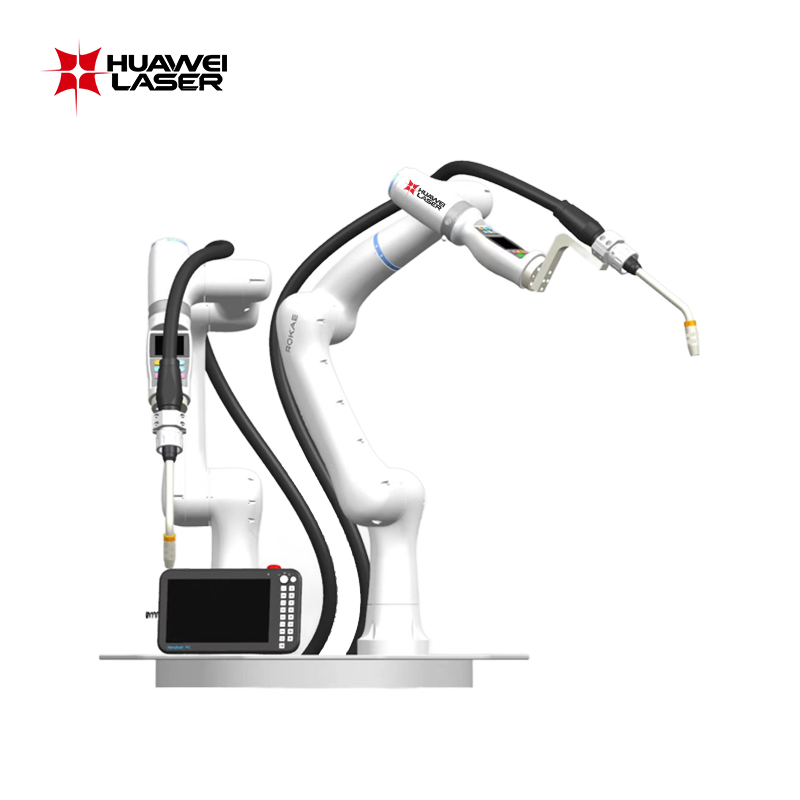

Collaborative Welding Robots for Kitchenware Manufacturing
The global kitchenware manufacturing sector faces increasing demands for high-quality stainless steel cookware and appliances. To meet premium production standards, modern factories are rapidly adopting advanced automation solutions. Integrating a collaborative welding robot into the production line allows kitchenware manufacturing facilities to achieve consistent weld aesthetics and superior structural integrity. The automated welding technology ensures every kitchenware item meets strict international consumer safety regulations.
Precision is vital when manufacturing commercial and residential kitchenware products. Traditional manual welding often introduces human error, leading to visible defects or weak joints. Implementing a specialized collaborative welding robot guarantees high-accuracy welds on complex geometric shapes and thin-gauge metals common in kitchenware manufacturing. The welding automation system reduces material waste and eliminates the need for extensive post-weld polishing processes.
Modern kitchenware manufacturing setups benefit greatly from flexible automation. A high-performance collaborative welding robot offers several distinct advantages for diverse product lines:
- Rapid Deployment: Factory operators can easily program the robotic welder for different cookware sizes.
- Space Efficiency: The compact footprint enables seamless integration into existing factory layouts.
- Enhanced Safety: Human workers collaborate safely alongside the robotic system without bulky safety cages.
The manufacturing industry currently experiences a significant shortage of certified welding professionals. A collaborative welding robot addresses the labor gap by handling repetitive, high-volume welding tasks continuously. Kitchenware manufacturing companies can reallocate human workers to higher-value quality control or assembly roles. The strategic transition optimizes overall operational efficiency and shortens production cycles significantly.
Investing in smart factory technology is essential for long-term competitiveness in the global market. Adopting a collaborative welding robot empowers kitchenware manufacturing brands to scale output while maintaining premium product standards.